
Optimal Lead Response Time for Service Businesses
Lead Response Time, Speed to Lead, Service Businesses
How Fast Should I Respond to a Lead? A Practical Guide for Service Businesses
For service-based businesses, your Lead Response Time is no longer a nice-to-have metric—it is a direct driver of revenue. This article breaks down how fast you should respond to a lead, what the data says about speed to lead, and how agencies and home service companies can stop losing opportunities to slow follow-up.
What Is Lead Response Time and Why It Matters
Lead Response Time is the amount of time it takes your business to contact a prospect after they call, submit a form, or send a message. In practice, it answers the question, “How fast should I respond to a lead?” For service businesses—especially HVAC, plumbing, electrical, roofing, and healthcare practices—this timing often decides who wins the job or the appointment slot.
When a prospect reaches out, they are signaling intent. They have a problem they want solved now, not next week. If you are not the first to follow up, a competitor will be. That is why speed to lead has become a critical performance metric for agencies and service providers alike.
What the Lead Response Time Statistics Tell Us
Numerous lead response time statistics point to the same conclusion: faster follow-up dramatically increases your chances of connecting with and converting a lead. Studies across industries have shown that contacting a lead within the first five minutes can multiply conversion rates several times compared to waiting even 30 minutes or an hour. After a few hours, your odds of making contact drop sharply; after 24 hours, many leads are effectively lost.
Despite this, the average lead response time for many businesses still stretches into hours or even days. Emails sit unread. Voicemails pile up. Web form submissions are checked “when there is time.” From a prospect’s perspective, that silence feels like disinterest—and they move on. From a business perspective, it is simply lost revenue that could have been prevented with the right systems.
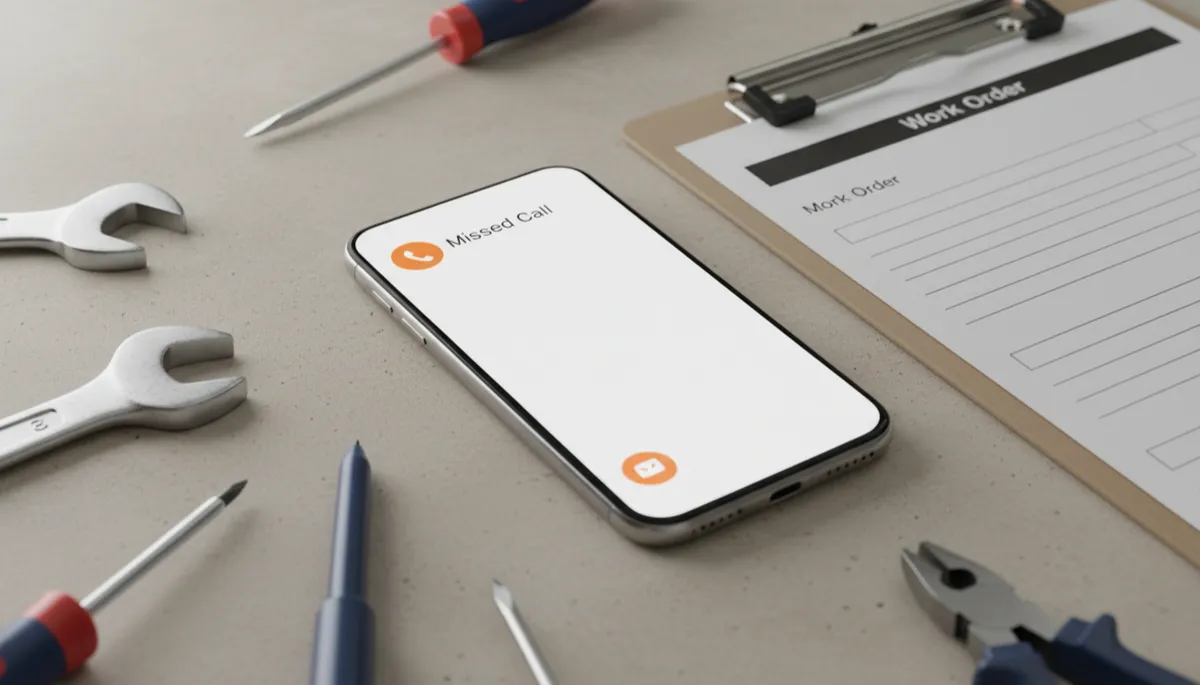
Each missed or delayed response compounds into lost jobs and unpredictable revenue.
Missed Call Statistics in Home Services: The Hidden Leak
Nowhere is the cost of slow response more obvious than in missed call statistics home services data. Homeowners rarely call just one provider. If your HVAC or plumbing company misses the call or sends it to voicemail, the prospect will usually dial the next company on the list within minutes. Many never leave a message. They simply move on until someone answers live or responds instantly to their online inquiry.
For businesses doing $300K–$5M in annual revenue, even a small percentage of missed or slowly handled calls can represent tens of thousands of dollars left on the table each year. Agencies working with these businesses see the same pattern: the marketing generates leads, but slow follow-up and missed calls quietly erode ROI. Leadforge Agency was built specifically to close that gap by automating capture, response, and follow-up so those leads do not slip away.
📌 Key Takeaway: In home services, a missed or delayed call is rarely “just one lead.” It often means the entire job—and any future referrals—go to a faster competitor.
So, How Fast Should I Respond to a Lead?
For modern service businesses, the practical answer is clear: aim to respond within 60 seconds of the inquiry whenever possible. If you are wondering, “how quickly should you follow up with a lead?” the honest response is “as close to instantly as your systems allow.” The first five minutes are critical; the first minute is ideal. Anything beyond 15 minutes puts you at a serious disadvantage in competitive markets.
That does not mean you personally must be on call 24/7. It means your speed to lead should be handled by a reliable process: automated text replies, instant email confirmation, an AI receptionist to answer and route calls, and calendar-based appointment booking that works even when your team is in the field. This is exactly the type of system Leadforge Agency installs for clients—so every lead is acknowledged and engaged immediately, not hours later.
Why Do Leads Go Cold So Quickly?
Many owners ask, “why do leads go cold?” even when the prospect seemed interested at first. The answer is usually not complicated. Leads cool off because time passes, urgency fades, and alternatives appear. A prospect who submitted a form during a lunch break might get pulled into meetings. A homeowner who called about a leaking pipe may get it fixed by someone else. A patient looking for a new dentist may book with the office that confirmed an appointment first.
In other words, leads go cold naturally when there is friction between their moment of interest and your response. The longer your Lead Response Time, the more room there is for distraction, second thoughts, or competitors. Consistent, automated follow-up—texts, emails, voicemail drops, and reminders—keeps the conversation warm and moves prospects toward an actual booking instead of leaving them to drift away.
💡 Pro Tip: Treat every lead as “hot” for the first 15 minutes. Build your systems so that at least one touch—text, call, or email—goes out automatically during that window.
Moving from Random Follow-Up to a Repeatable System
Many established service businesses are not struggling because they lack leads. They struggle because they lack a system to capture, respond, and convert those leads consistently. Relying on manual callbacks, sticky notes, and untracked voicemails almost guarantees that your average lead response time will be longer than you think—and that some leads will never be contacted at all.
Leadforge Agency focuses on fixing that exact problem. Instead of just sending more traffic, we install a conversion system: landing pages, CRM, automated text and email sequences, AI receptionist, and a clear pipeline so you can see exactly what is happening with every opportunity. The result is simple: faster speed to lead, fewer missed calls, and more booked appointments from the leads you already have.
Next Step: Turn Speed to Lead into a Competitive Advantage
If you are serious about tightening your Lead Response Time and turning more inquiries into paying clients, the next step is to evaluate your current system honestly. How many calls go to voicemail? How long does it take, on average, to respond to web form submissions? Who owns follow-up, and how is it tracked? If you cannot answer those questions clearly, you likely have revenue leaking out of your pipeline every day.
Leadforge Agency helps service-based businesses replace that chaos with a structured, automated process that makes speed to lead a strength instead of a weakness. If you want to see exactly where your response times are costing you and what a better system could look like, book your 30-minute strategy call. We will walk through your current setup, identify the gaps, and outline a practical plan to capture, respond to, and convert more of the leads you are already paying for.

